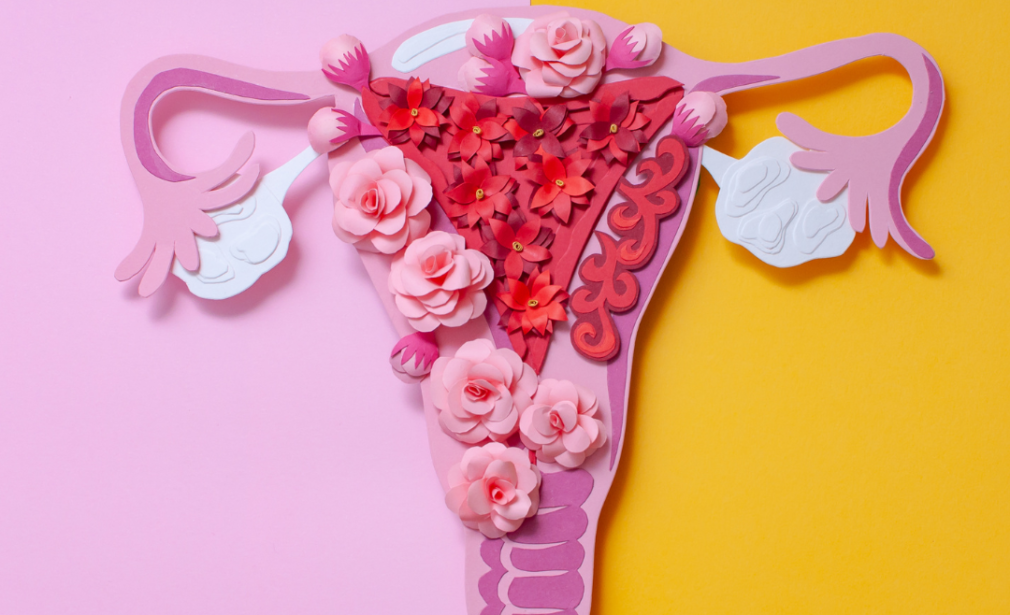
Are You Living With Unexplained Pelvic Pain?
Persistent period pain that disrupts your daily life, heavy bleeding that leaves you exhausted, or months of trying to conceive without success — these are not issues you simply have to endure. These could be signs of endometriosis, one of the most underdiagnosed gynaecological conditions affecting women across India.
At Gynae Care Kolkata, Dr. Sujata Datta — a UK-trained gynaecologist and Fellow of the Royal College of Obstetricians and Gynaecologists (FRCOG, UK) — offers evidence-based, internationally benchmarked endometriosis treatment in Kolkata. From diagnosis to surgery to long-term management, you receive a level of specialist care that is rare in Eastern India.
What Is Endometriosis?
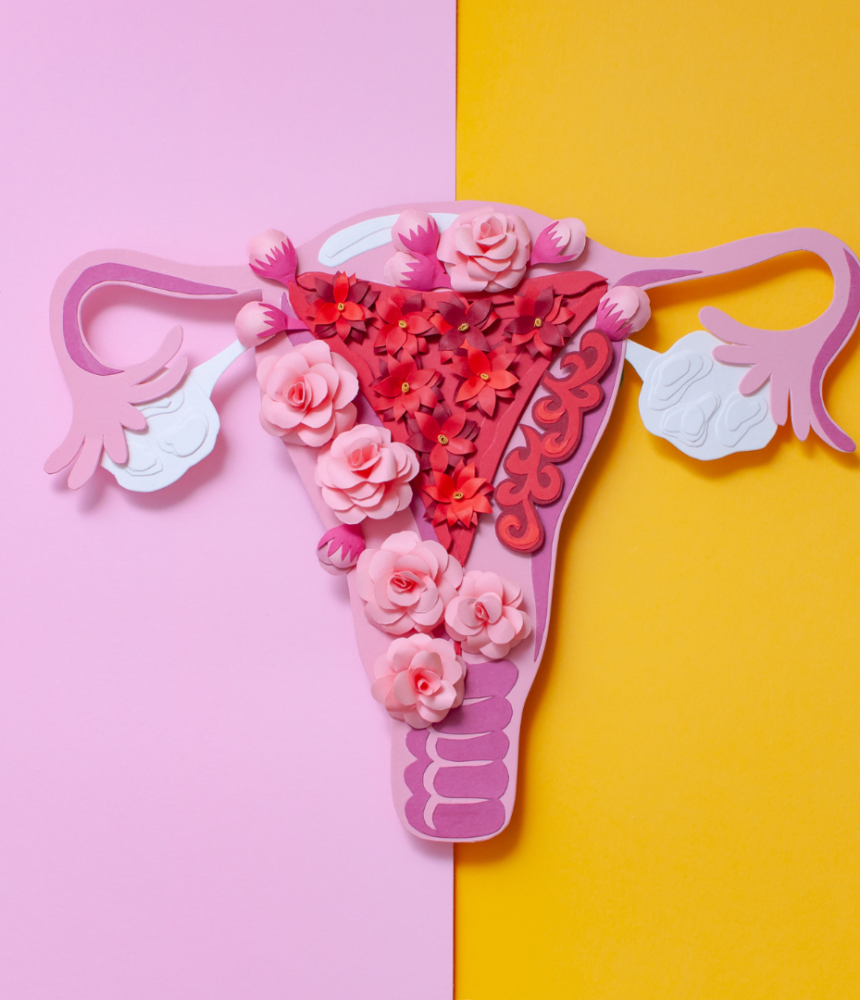
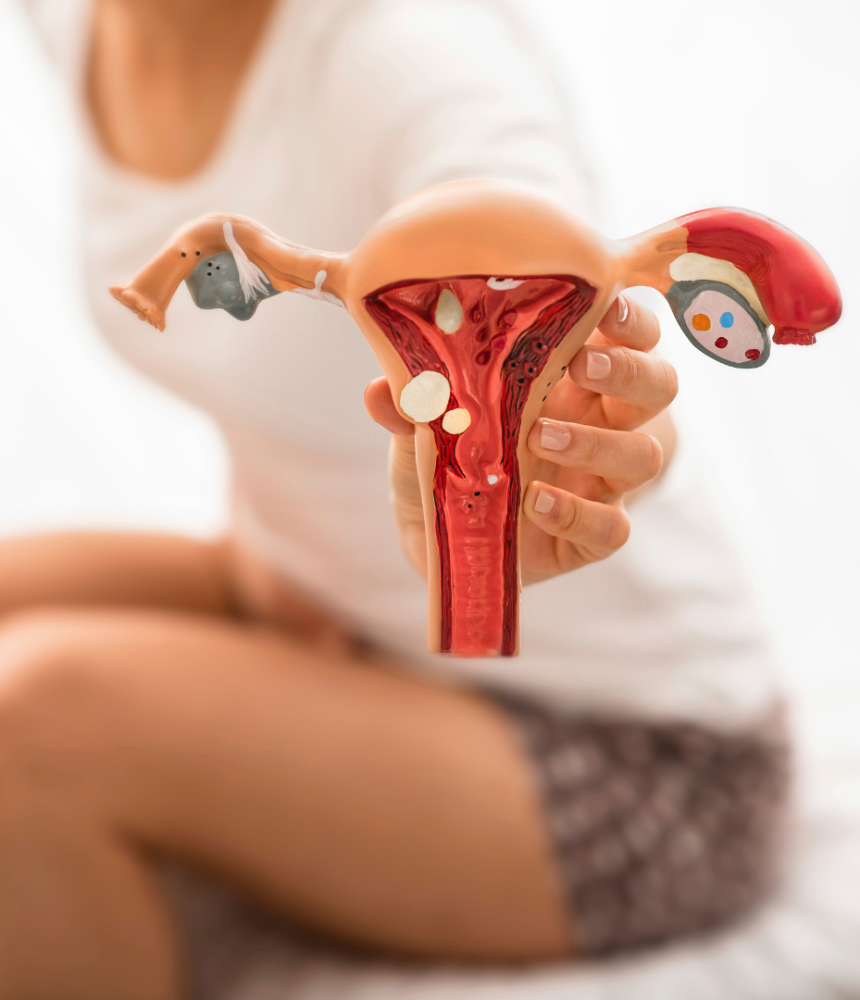
Endometriosis is a chronic gynaecological condition in which tissue that resembles the inner lining of the uterus (the endometrium) begins to grow in locations outside the uterus. This displaced tissue — most commonly found on the ovaries, fallopian tubes, pelvic lining, and sometimes the bowel or bladder — responds to hormonal changes just as the uterine lining does: it thickens, breaks down, and bleeds with every menstrual cycle.
However, unlike normal menstrual blood, this blood has nowhere to go. The result is internal inflammation, the formation of scar tissue (adhesions), and — in the case of the ovaries — fluid-filled cysts called endometriomas or “chocolate cysts.”
Endometriosis affects approximately 1 in 10 women of reproductive age and can significantly impact quality of life, relationships, and fertility. Despite this, women in India wait an average of 7–10 years before receiving a correct diagnosis. Early specialist evaluation is critical.
Causes and Risk Factors of Endometriosis
The exact cause of endometriosis is not fully understood. However, several established theories and risk factors have been identified:
Possible Causes:
- Retrograde Menstruation (Sampson’s Theory): Menstrual blood flows backward through the fallopian tubes into the pelvic cavity, where endometrial cells implant and grow.
- Coelomic Metaplasia: Cells lining the pelvic organs transform into endometrial-like cells under hormonal and immune influences.
- Lymphatic or Blood-Borne Spread: Endometrial tissue may travel to distant sites via the lymphatic system or bloodstream, which explains rarer cases of endometriosis found in the lungs or diaphragm.
- Immune System Dysfunction: A compromised immune response may fail to identify and eliminate misplaced endometrial tissue.
- Genetic Predisposition: Women with a first-degree relative (mother or sister) with endometriosis are significantly more likely to develop the condition.
Risk Factors Include:
- Starting menstruation at an early age (before 11 years)
- Short menstrual cycles (less than 27 days)
- Heavy or prolonged menstrual periods
- Never having given birth
- High levels of oestrogen in the body
- Low body mass index (BMI)
- Structural uterine abnormalities
Signs and Symptoms: When to See a Specialist
Endometriosis is often called the “silent disease” because symptoms are frequently dismissed as normal period pain or misattributed to other conditions. If you experience any of the following, you should consult a specialist:
Gynaecological Symptoms:
- Severe pelvic pain, particularly in the days before and during menstruation (dysmenorrhoea)
- Painful intercourse (dyspareunia), especially during deep penetration
- Heavy menstrual bleeding (menorrhagia) or bleeding between periods
- Pelvic pain outside of the menstrual cycle
Bowel and Urinary Symptoms (indicating possible deep infiltrating endometriosis):
- Painful bowel movements, especially during menstruation
- Bloating, diarrhoea, or constipation around your period
- Painful or frequent urination
- Blood in urine during menstruation (in rare cases)
Systemic Symptoms:
- Chronic fatigue and exhaustion
- Lower back pain that is worse during menstruation
- Nausea or vomiting during periods
Fertility-Related Concerns:
- Difficulty conceiving despite regular, unprotected intercourse for 6–12 months
- Recurrent miscarriages
Important: The severity of symptoms does not always reflect the extent of the disease. Women with minimal endometriosis can experience debilitating pain, while those with advanced disease may have very few symptoms.
Diagnosing Endometriosis: A Precise, Multi-Step Approach
At Gynae Care Kolkata, Dr. Sujata Datta follows the internationally recognised diagnostic protocols she trained with in the United Kingdom. Diagnosis is not rushed — it is thorough, compassionate, and evidence-based.
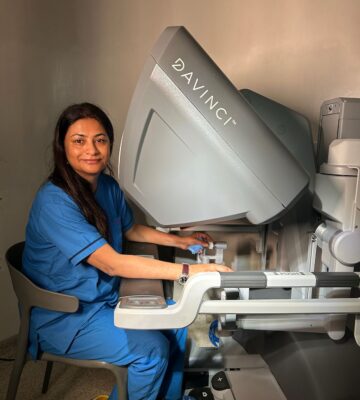
Advantages of Robotic Surgery for Endometriosis
- Detailed Clinical History: Dr. Datta will take a comprehensive history of your menstrual cycle, pain patterns, sexual health, and fertility goals. Your family history of endometriosis or other gynaecological conditions is also carefully reviewed.
- Pelvic Examination: A physical examination may reveal nodularity or tenderness in the pelvis, particularly behind the uterus (the pouch of Douglas), which can indicate deep infiltrating endometriosis.
- Transvaginal Ultrasound (TVS): High-resolution transvaginal ultrasound is the first-line imaging tool. It is particularly effective in identifying ovarian endometriomas (chocolate cysts) and can suggest the presence of deep endometriosis in experienced hands.
- MRI Pelvis: In complex or suspected deep infiltrating endometriosis, an MRI of the pelvis provides a detailed map of the disease extent — including involvement of the bowel, bladder, ureters, and uterosacral ligaments. This is critical for pre-surgical planning.
- Diagnostic Laparoscopy (Gold Standard): The definitive diagnosis of endometriosis is made via laparoscopy — a minimally invasive surgical procedure in which a camera (laparoscope) is introduced into the abdominal cavity under general anaesthesia. This allows Dr. Datta to directly visualise endometrial implants, adhesions, and cysts, and take biopsies for histological confirmation. In most cases, diagnostic laparoscopy is combined with treatment in the same sitting.
Why Choose Dr. Sujata Datta for Endometriosis Treatment in Kolkata?
UK-Trained, UK-Certified Expertise
Dr. Sujata Datta holds the MRCOG (Member of the Royal College of Obstetricians and Gynaecologists, UK) and the FRCOG (Fellow of the Royal College of Obstetricians and Gynaecologists, UK) — credentials awarded by one of the most respected medical institutions in the world. Her training and CCT (Certificate of Completion of Training) in London means she has met the rigorous standards of the UK postgraduate medical system.Take the first step towards a pain-free life.
Very few gynaecologists in Kolkata — or indeed in all of Eastern India — hold both the MRCOG and the FRCOG alongside a London CCT. This places Dr. Datta in a truly exclusive category of specialists.
What Sets Gynae Care Kolkata Apart
- International training, local access: World-class endometriosis care without the need to travel to the UK or other cities.
- Minimally invasive first approach: Preference for laparoscopic and robotic techniques over open surgery.
- Holistic, patient-centred care: Each treatment plan addresses both symptom relief and long-term reproductive goals.
- Transparent, compassionate consultations: Dr. Datta takes the time to explain your diagnosis, options, and expected outcomes clearly.
- Conveniently located: The clinic is situated at Camac Street, Kolkata — one of the city’s most accessible locations.
Frequently Asked Questions About Endometriosis Treatment in Kolkata
The best treatment for endometriosis depends on the individual patient’s stage of disease, symptom severity, and reproductive goals. At Gynae Care Kolkata, Dr. Sujata Datta offers a full spectrum of treatments — from hormonal therapy and pain management to minimally invasive laparoscopic surgery and advanced robotic-assisted surgery. For most women, laparoscopic excision of endometriotic lesions provides the best combination of pain relief and fertility preservation. In complex or Stage IV cases, robotic-assisted surgery offers superior precision. A personalised consultation with Dr. Datta is the best starting point for determining the right approach for you.
There is currently no permanent cure for endometriosis, as it is a chronic, oestrogen-dependent condition. However, appropriate surgical treatment — particularly laparoscopic excision — can result in long-term symptom relief, improved quality of life, and enhanced fertility outcomes. Medical therapy is used after surgery to suppress recurrence. Many women experience years of significant improvement following surgery. After natural menopause, the condition typically resolves on its own, as oestrogen levels fall.
Endometriosis cannot be definitively diagnosed without surgery (laparoscopy), as the only way to confirm the presence of endometrial tissue outside the uterus is through direct visualisation and histological biopsy. However, a combination of clinical history, pelvic examination, transvaginal ultrasound, and MRI pelvis can provide a strong presumptive diagnosis. In many cases, treatment can be initiated based on clinical suspicion while awaiting laparoscopic confirmation.
Endometriosis itself impairs fertility. Surgical treatment — when performed by an experienced specialist like Dr. Sujata Datta — is specifically aimed at restoring normal pelvic anatomy, removing endometriomas (chocolate cysts) from the ovaries, and freeing adhesions that block the fallopian tubes. This often significantly improves the chances of natural conception. For women with advanced disease, surgery followed by IVF typically yields the best results. Importantly, Dr. Datta’s surgical approach prioritises ovarian tissue preservation to protect egg reserve.
Both are minimally invasive approaches. Laparoscopic surgery uses a camera and long instruments inserted through small abdominal incisions and is the established gold standard for most cases of endometriosis. Robotic-assisted surgery additionally provides the surgeon with 3D high-definition magnification, wristed instrument movement, and tremor filtration — making it particularly suitable for complex cases such as deep infiltrating endometriosis (DIE), severe adhesions, or disease near the bowel and bladder. Dr. Sujata Datta is trained in both approaches and will recommend the most appropriate technique based on your specific case.
Most patients undergoing laparoscopic surgery for endometriosis are discharged within 24–48 hours. Light activities can typically be resumed within a week, and most women return to full normal activities within 2–4 weeks. Recovery from robotic-assisted surgery follows a similar or slightly faster timeline due to the precision of the technique. Dr. Datta will provide detailed, personalised post-operative instructions at discharge.
Yes. Endometriosis affects approximately 10–15% of women of reproductive age in India, though it remains significantly underdiagnosed due to a cultural tendency to normalise period pain. An estimated 25 million Indian women may be living with undiagnosed endometriosis. If you have been experiencing painful periods, pelvic pain, or difficulty conceiving, it is important not to dismiss these symptoms and to seek a specialist evaluation.
Signs that endometriosis may be impacting your fertility include: difficulty conceiving after 6–12 months of regular unprotected intercourse, a history of recurrent miscarriages, ovarian cysts identified on ultrasound (endometriomas), pelvic pain associated with periods, and pain during intercourse. A fertility-focused consultation with Dr. Sujata Datta includes assessment of ovarian reserve (AMH, antral follicle count), fallopian tube patency, and uterine cavity — all of which may be affected by endometriosis.
Yes. In a condition known as deep infiltrating endometriosis (DIE), endometrial tissue can invade the bowel, bladder, ureters, and rectovaginal septum. Symptoms include painful or difficult bowel movements (particularly during menstruation), bloating, rectal bleeding during periods, pain during urination, and — in rare cases — blood in the urine. DIE requires highly specialised surgical expertise. Dr. Sujata Datta’s training and membership in the IAGE and the Endometriosis Foundation of India make her one of the few specialists in Kolkata equipped to manage these complex cases.
Dr. Sujata Datta is one of very few gynaecologists in Kolkata — and Eastern India — who holds the MRCOG and FRCOG from the Royal College of Obstetricians and Gynaecologists, UK, along with a CCT (Certificate of Completion of Training) from London. She is an active member of the Endometriosis Foundation of India and the Association of Gynaecological Robotic Surgeons, bringing a level of dedicated, internationally trained endometriosis expertise that is rare in the region. Her patient-centred approach, combined with access to advanced laparoscopic and robotic surgical techniques, means you receive world-class endometriosis care — right here in Kolkata.